

Plumbing keeps a home running by delivering clean water and taking away waste. Many jobs need a pro, but knowing some basics stops pricey fixes and helps handle small issues. This guide shares handy plumbing tips and tricks to keep everything flowing right. It’s perfect for homeowners who want to save money and avoid headaches. Stick around to learn simple secrets that can make a big difference in your pipes.
1. Know Your Main Water Shut-Off Valve
One of the first things you should locate in your home is the main water shut-off valve. In the event of a major leak or pipe burst, shutting off the main valve can prevent extensive water damage. Typically, this valve is found near the water meter, basement, or where the main water line enters your house.
2. Fix Leaks Promptly
Even small drips from a faucet or pipe can waste gallons of water over time and lead to expensive water bills. Plus, unchecked leaks can cause mold, mildew, and structural damage. Fixing a dripping faucet often requires replacing a washer or tightening a fitting—simple tasks that can save you money and trouble.
3. Avoid Chemical Drain Cleaners
While chemical drain cleaners might seem like an easy solution for clogged drains, they can do more harm than good. These chemicals can corrode pipes over time, leading to leaks or more significant plumbing issues. Instead, use a plunger, plumbing snake, or a mixture of baking soda and vinegar to clear minor clogs.
4. Prevent Clogs with Good Habits
Clogged drains are a common plumbing problem, but they are often preventable. Here are some tips to keep your drains clear:
- Avoid pouring grease or oil down the kitchen sink.
- Use drain strainers to catch hair, soap scum, and food particles.
- Never flush anything other than toilet paper down the toilet—no wipes, cotton balls, or sanitary products.
- Run hot water down the drain regularly to help clear buildup.
5. Insulate Pipes in Cold Weather
Frozen pipes can be a nightmare, leading to bursts and costly repairs. If you live in a cold climate, protect exposed pipes by:
- Wrapping them in foam insulation.
- Keeping cabinet doors open to allow warm air to circulate around pipes under sinks.
- Letting faucets drip slightly on extremely cold nights to prevent freezing.
6. Be Careful with Your Garbage Disposal
Your garbage disposal is a helpful kitchen tool, but it isn’t designed to handle everything. Avoid putting the following items in your disposal:
- Fibrous foods like celery and potato peels, which can wrap around the blades.
- Coffee grounds and eggshells, which can form clogs.
- Grease and oil, which can harden and block pipes.
- Hard objects like bones or fruit pits, which can damage the blades.
7. Check Your Water Pressure
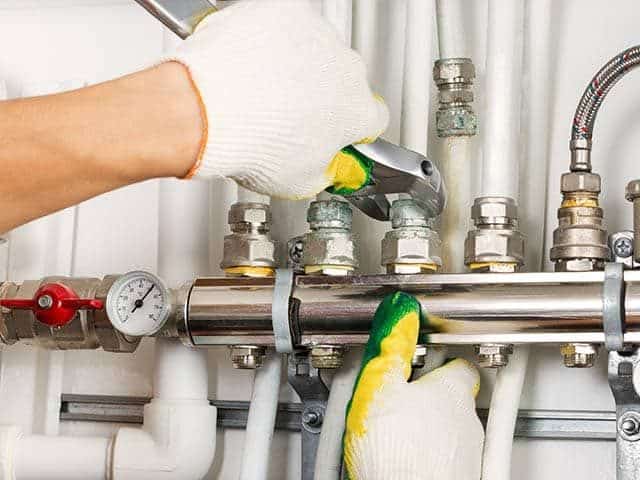
Low water pressure can be frustrating, while high water pressure can damage your pipes and appliances. If you notice a sudden change, it could be due to a leak, clogged aerators, or an issue with the municipal water supply. Installing a pressure regulator can help maintain an optimal range (40-60 psi).
8. Flush Your Water Heater Annually
Over time, sediment builds up in your water heater, reducing efficiency and potentially causing damage. To maintain its performance, flush your water heater at least once a year by following these steps:
- Turn off the power or gas supply.
- Connect a hose to the drain valve and let the water flow into a bucket or outside.
- Open the drain valve and let the tank empty completely.
- Close the valve and refill the tank before turning the power back on.
9. Install Water Softeners If Necessary
If you live in an area with hard water, mineral buildup can affect your pipes, faucets, and appliances. Installing a water softener can prevent scale deposits and extend the life of your plumbing system. Signs of hard water include white stains on fixtures, soap scum buildup, and reduced water pressure.
10. Test Your Sump Pump Regularly
If you have a basement, a sump pump is crucial for preventing flooding. To ensure it works when needed, test it periodically by pouring water into the pit and checking if the pump activates properly. Clean debris from the sump pit and make sure the discharge pipe is clear.
11. Upgrade to Efficient Fixtures
Older plumbing fixtures tend to use more water than necessary. Consider upgrading to water-efficient models, such as:
- Low-flow toilets, which use less water per flush.
- Water-saving showerheads and faucets, which reduce water consumption without sacrificing performance.
- Smart leak detectors that alert you to leaks before they cause damage.
12. Know When to Call a Professional
While DIY plumbing fixes can save you money, some problems require professional expertise. If you experience major plumbing issues, it’s best to seek plumbing services to avoid further damage and costly repairs. Call a plumber if you experience:
- Persistent low water pressure.
- Sewer line backups or foul odors.
- Burst or leaking pipes.
- No hot water despite a functioning water heater.
- Major renovations that involve moving plumbing lines.
Conclusion
Taking care of your home’s plumbing system doesn’t have to be complicated. By following these tips, you can prevent common issues, save money on repairs, and ensure a steady flow of water throughout your home. Whether it’s a small leak or a major upgrade, staying informed and proactive will keep your plumbing in excellent condition for years to come.

